Ingenious Build — raising UX maturity in a live product
Construction Management SaaS
Product Designer
2021 - 2022
Construction management platform
the context
The problem
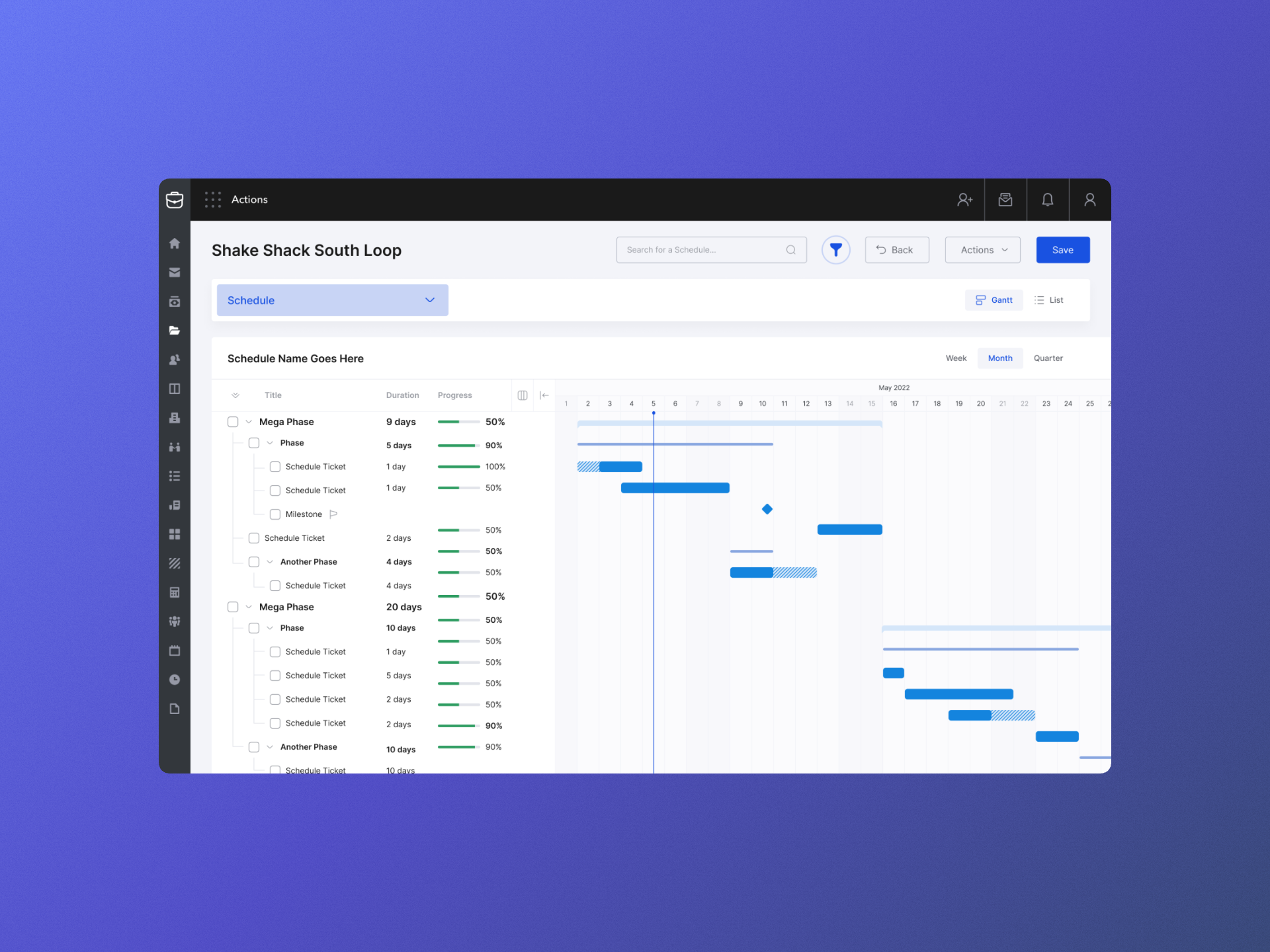
Construction project management runs on fragmented tools — spreadsheets, email threads, separate apps for budgets, documents and communication. For architects, engineers, general contractors and developers, the cost of that fragmentation is real: missed updates, version conflicts, disputes over change orders. Ingenious Build was built to replace all of it with a single platform covering everything from pre-construction to closeout.
The approach
The challenge wasn't just designing features — it was designing them for a product with real users already in the system, a low-maturity UX culture, and no established research practice. My approach was to introduce evidence-based design gradually, starting with quick wins that would prove the value of user research to stakeholders who weren't yet convinced.
my role
I joined mid-product — the platform was live, the design system had just launched, and UX had little standing in the organisation. Rather than pushing for a full process overhaul, I focused on making the value of research visible through small, concrete wins that gradually shifted how the team made decisions.
the process
ui & ux design
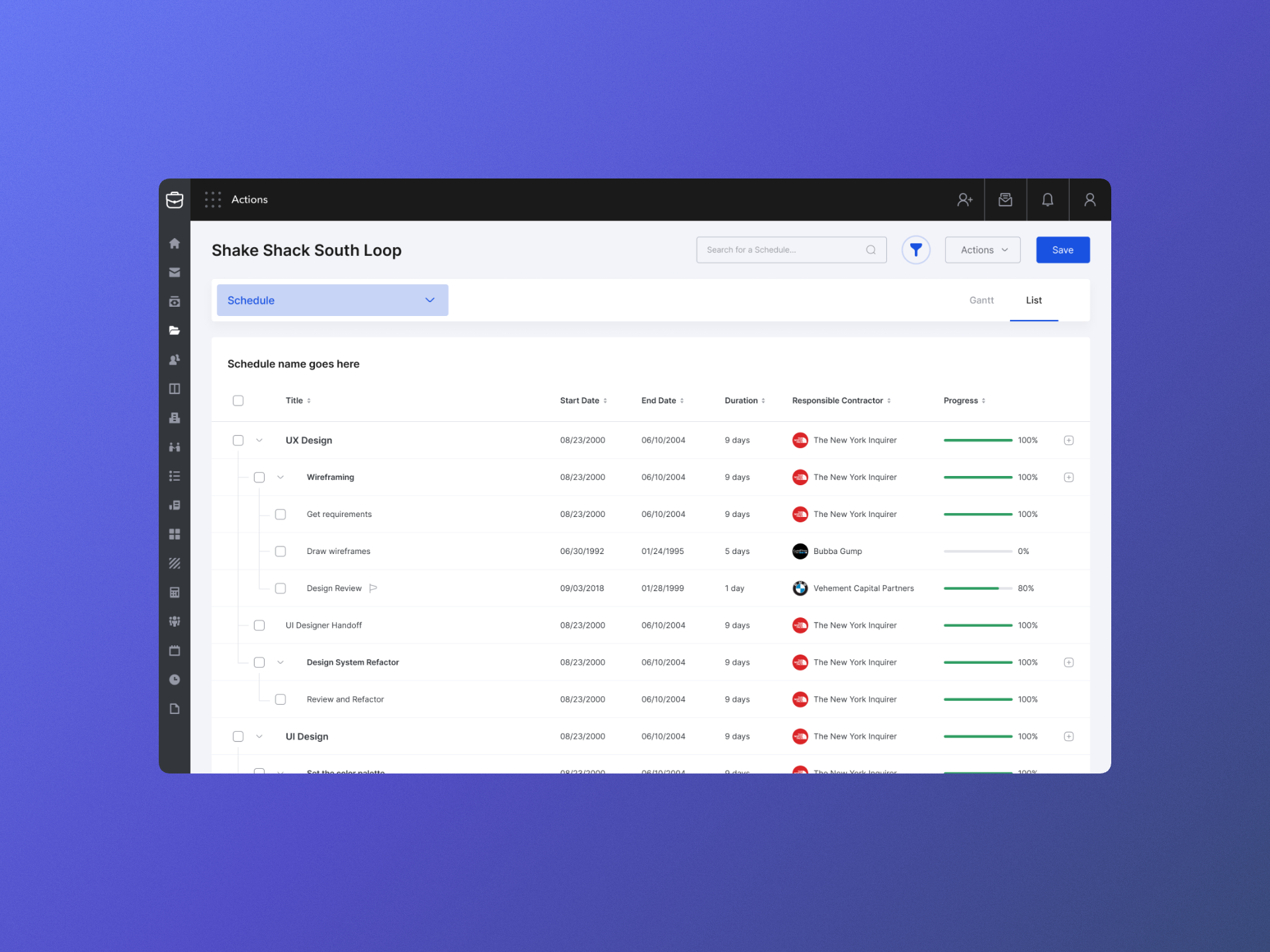
New features typically started with an investor request or a roadmap priority. My job was to translate those inputs into designs that actually made sense for users — delivering mockups and prototypes to PMs and developers while making sure business goals and user needs didn't end up in opposition.
corridor testing
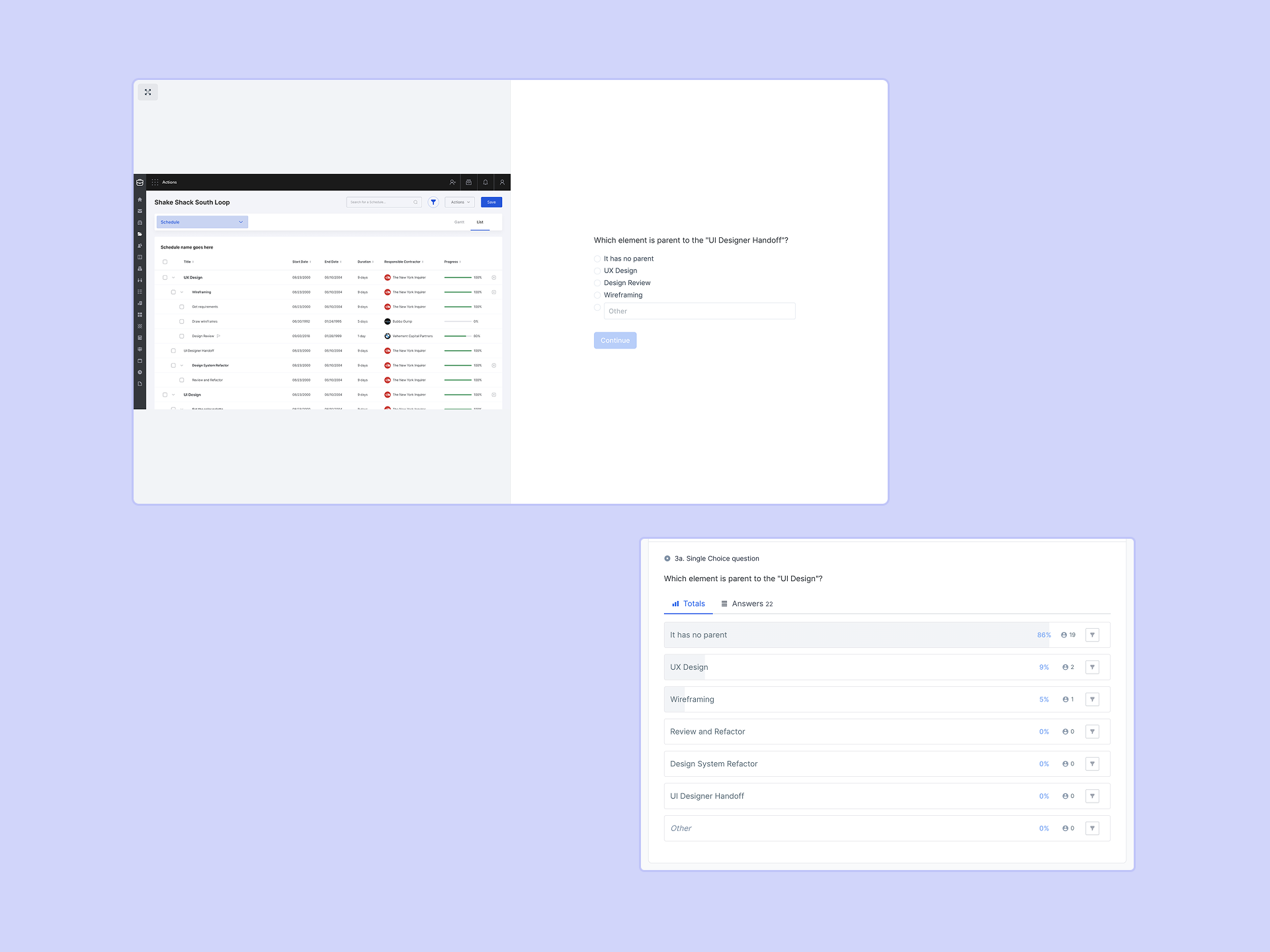
No budget for formal research, so I worked with what was available. Corridor testing sessions and Usability Hub surveys let us validate design decisions quickly and cheaply — and more importantly, gave us something concrete to bring to stakeholders when making the case for a more research-informed process.
design system contribution
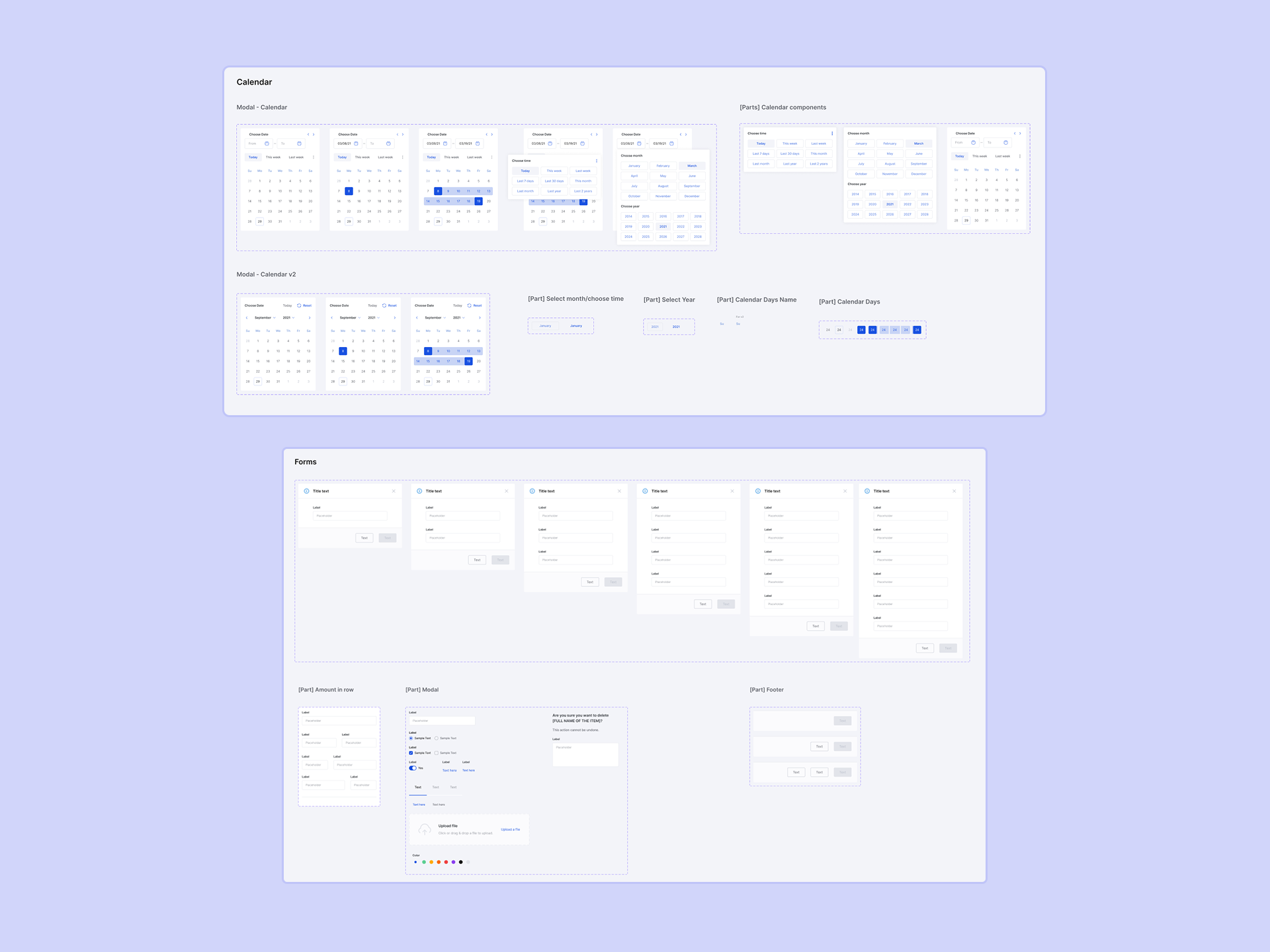
I contributed to the design system by creating missing components, styles, and variants — calendar components, form patterns, and various UI elements needed for the growing feature set that hadn't been documented yet.
impact & results
Design process transformation
Introduced a more structured approach to requirements gathering and design iteration — moving the team away from assumption-driven decisions toward a process where user feedback had a clear place at the table.
Agile culture
Helped the team get more out of their Scrum process by pushing for tighter design-dev collaboration within sprints — less handoff, more shared ownership of what shipped.
UX education
Ran internal sessions with PMs and stakeholders to make the case for UX — not through theory, but through results from testing we'd already done. By the end, research was no longer something the team had to be convinced to do.
$37M Series A
The product is still growing — trusted by names like JLL, Cushman & Wakefield and Tishman Speyer, and backed by $37M in Series A funding. A good indicator that the direction was right.